



Cracking the Myths:
What Chiropractic Care Can (and Can’t) Do
At Peak To Shore Physiotherapy & Sports Medicine, we offer a wide range of healthcare services to help us develop the most comprehensive care plans possible for our patients. From physiotherapy to massage therapy, we’re here to help you manage pain or injuries and get back to the activities that matter most to you.
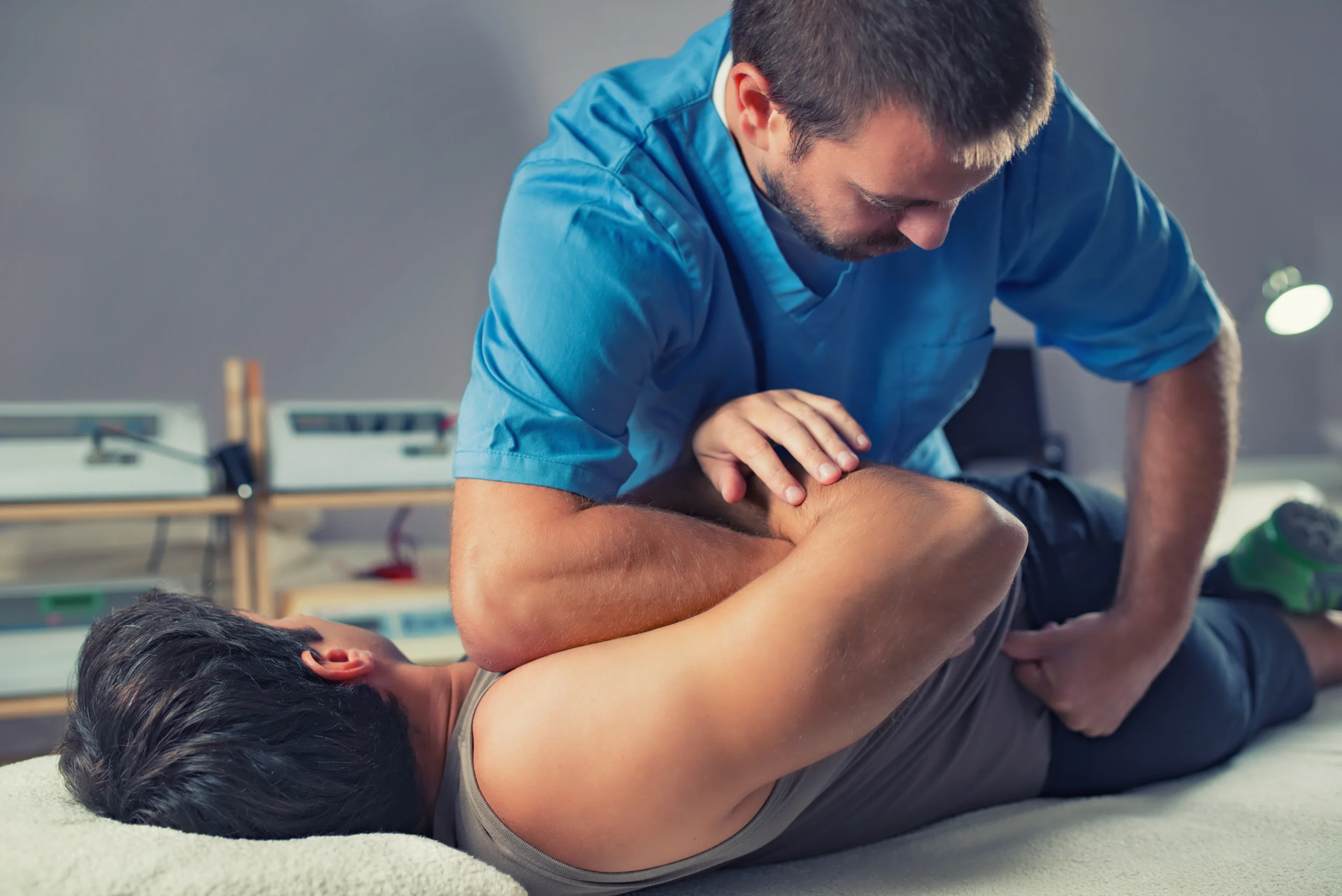
One of the ways we do this is through chiropractic care, an often-misunderstood field of healthcare that focuses on assessing and treating conditions involving joints, muscles, and nerves, especially the spine, to improve movement and reduce pain. Unfortunately, many myths about chiropractic care abound, which can keep people from seeking treatment.
Debunking Four Chiropractic Myths
Myth #1: “Chiropractic care is only for back pain.”
While back pain is a common reason people seek care, our chiropractors are trained to assess and treat a wide range of conditions affecting the entire musculoskeletal system. This includes:
- Neck pain and stiffness
- Certain types of headaches
- Shoulder, hip, and knee pain
- Sports injuries and overuse conditions
- Reduced mobility after injury or inactivity
Chiropractic care also involves a lot more than just spinal adjustments. Joint mobilizations help improve the range of motion of various joints in your body, while soft tissue therapy targets muscles and connective tissue. We typically combine these hands-on methods with corrective exercises to restore strength and control in a more proactive way.
Myth #2: “Once you start chiropractic care, you have to keep going forever.”
Care is tailored to your goals and conditions. Ongoing visits are optional, not required. Our chiropractors will guide you through a structured program that generally starts with pain management, moves on to building strength and stability, and ends with strategies to return to sport or daily activities.
Throughout the process, we’ll educate you about your condition and provide self-management strategies and at-home exercises to support long-term results.
Ultimately, our goal is to help you need less care over time, not more. Some of our patients choose occasional check-ins to stay on track. Others stop treatment once their goals are met.
Myth #3: “Spinal adjustments are unsafe.”
A spinal adjustment is a controlled, quick movement applied to a joint. Its purpose is to improve joint function and decrease pain sensitivity.
For most people, side effects are mild and short-lived, such as temporary soreness, and serious complications are rare. Our chiropractors are trained to screen for risk factors and will modify techniques as needed. If needed, we can perform low-force adjustments that use slow, controlled joint movements to guide your spine through its current range of motion.
Myth #4: “Chiropractic care is passive.”
Modern chiropractic care is active, collaborative, and goal-driven. Our team recognizes that passive care alone (where treatments are done to you) has limited long-term benefit. That’s why we combine hands-on treatment with active rehab. Your care plan may include:
- Strength training to support joints and prevent re-injury
- Motor control exercises to improve coordination and movement patterns
- Load management to help you adjust activity levels to promote recovery
- Information on how to improve pain, posture, and movement habits
For example, if you’re struggling with neck pain, we’ll generally start with hands-on mobilizations or soft tissue work before prescribing exercises to strengthen the deep neck muscles. If you have low back pain, we’ll use a combination of spinal manipulation and targeted exercises to strengthen your core, which helps support your spine.

Rethinking Chiropractic Care
Chiropractic care has evolved into a robust healthcare approach that’s no longer defined by quick fixes or one-size-fits-all approaches.
At Peak To Shore Physiotherapy & Sports Medicine, our chiropractors focus on providing and creating individualized treatment programs that prioritize active recovery and performance. In many cases, we combine chiropractic care with other treatment techniques available at our clinic, including physiotherapy, massage therapy, or ergonomic training.
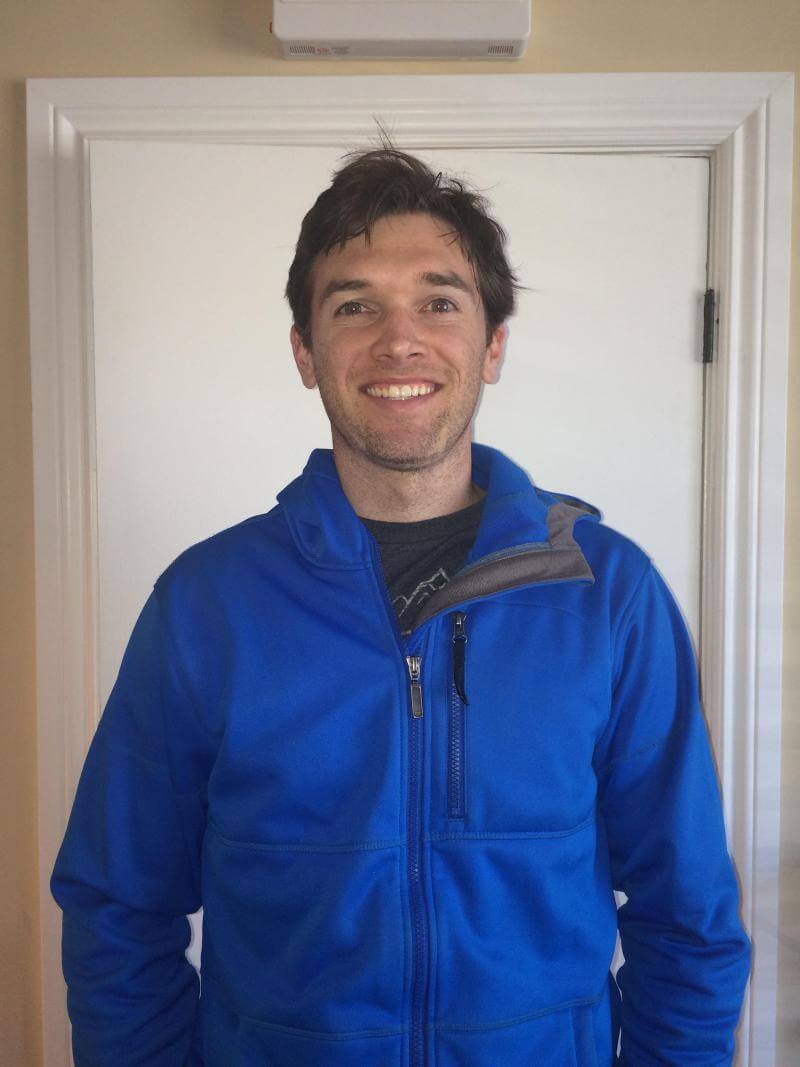
Say Hello to Dr. Brad Baldwin, B.A. (Hons.), DC
(Spine and Extremity Chiropractor, Concussion and Vestibular Rehab)
Brad graduated from the University of Western Ontario in 2006 with an Honours Bachelor of Arts degree and from Canadian Memorial Chiropractic College (CMCC) in 2011 with his Doctor of Chiropractic Degree. Since his studies, Brad has been certified in Contemporary Acupuncture, Active Release Techniques, Graston Techniques, and is currently certified to provide concussion assessment and treatment.
Brad has had the opportunity to work with numerous professional and Olympic athletes, providing treatment for the National Artistic Gymnastics program, the Women’s national squash program as well as the national sailing, track and field and synchro swimming programs. Brad has also worked with various athletes from the University of Toronto track and field team. He looks forward to bringing his skills and experience to the Peak to Shore team.
Ready to Move Better?
If pain or stiffness is holding you back, it may be time for a fresh approach. The team at Peak To Shore Physiotherapy & Sports Medicine will help you identify the root cause of your symptoms, build a plan that fits your goals, and help you return to the activities you enjoy. Book your initial appointment today and let our chiropractors help you take the first step toward stronger, more confident movement.
Chronic Ankle Instability and How Physiotherapy Can Help
Lateral ankle sprains are among the most common injuries seen during sport and physical activity, and it is estimated that up to 40% of individuals who experience one lateral ankle sprain will develop chronic ankle instability.
What is it?
Chronic ankle instability is a condition characterized by repeated episodes of the ankle “giving way” that persists for more than 1 year after the initial injury, persistent symptoms such as ankle pain, ankle weakness, reduced ankle range of movement, and self-reported decrease in ankle function.
By: Physiotherapy Resident, Amy Kress
How can physiotherapy help?
Pain and swelling reduction: After chronic ankle sprains, pain and swelling in and around the ankle joint is quite common. Your physiotherapist has a variety of different techniques that they can use to help manage this pain and swelling, examples include:
- Soft tissue massage
- Lymphatic drainage massage
- Joint mobilizations
Balance: With chronic ankle sprains, your proprioception or ability to balance on the injured ankle is reduced and this can increase the likelihood of reinjury. Your physiotherapist can prescribe different balance exercises to help with this, examples include:
- Standing on 1 foot
- Standing on 1 foot while doing a variety of tasks like catching a ball
- Standing on a wobble board
Strength: With chronic ankle sprains, the muscles surrounding your ankle joint can become weak. Your physiotherapist can prescribe a series of different strengthening exercises to target these muscles and increase their strength and ability to support the ankle joint, examples include:
- Theraband exercises
- Variations on calf raises
- Foot strength exercises
- Activity-specific movement training
Bracing: Research has shown that after chronic ankle sprains, a semi-rigid ankle brace can help reduce the recurrence of ankle sprains during dynamic movements seen in many sports. If appropriate, your physiotherapist can fit you for a semi-rigid ankle brace before your return to activity.
Final Takeaway
Chronic ankle instability does not mean you have to give up on the activities you love. Working with a physiotherapist can help reduce pain and swelling, improve function and decrease recurrence. At Peak To Shore Physiotherapy & Sports Medicine, our physiotherapists create personalized treatment plans to help manage your ankle instability and regain confidence during activity.
Our Patients Are Seeing Results
Follow Us On Instagram
Whether you’re recovering, training, or just striving to move better, Peak to Shore Physiotherapy brings expert tips, rehab exercises, and wellness inspiration straight to your feed. Stay connected for behind-the-scenes clinic moments, client success stories, and practical advice to keep you feeling strong.
Recipe of the Month: Chicken Pesto Pasta

Ingredients:
- 2 Tbsp. extra-virgin olive oil
- 2 (8-oz.) boneless, skinless chicken breasts, cut into 1″ pieces
- Kosher salt
- 4 garlic cloves, finely chopped
- 1/4 tsp. crushed red pepper flakes
- 1 3/4 cups water
- 3/4 cup heavy cream
- 8 oz. penne
- 1 oz. Parmesan, finely grated (about 1/2 cup)
- 2/3 cup pesto
- Fresh basil, for serving (optional)
Instructions:
- In a medium skillet over medium heat, heat oil. Add chicken; season with 3/4 tsp. salt. Cook, stirring occasionally, until browned and an instant-read thermometer registers 160°, 4 to 5 minutes total. Transfer to a plate.
- In same skillet over medium heat, cook garlic and red pepper flakes, stirring, until fragrant, about 30 seconds. Add water, cream, and 1/2 tsp. salt and bring to a simmer. Add penne and cook, stirring occasionally, until pasta is al dente and liquid is reduced to a sauce that coats the pasta, 8 to 10 minutes.
- Stir in Parmesan and chicken and toss until cheese is melted and chicken is warmed through, about 2 minutes. Remove from heat and fold in pesto; if sauce feels dry, add water, 1 Tbsp. at a time, until a creamy sauce forms. Season with more salt, if needed. Top with basil (if using).
We’re All Ears!
Got ideas or topics you’d love to see in our newsletters? We’re all ears! 📬
Send your suggestions to manager@peaktoshorephysiotherapy.com and help us make our content even better for you!
Sources
- https://www.delish.com/cooking/recipe-ideas/a65188662/easy-chicken-pesto-pasta-recipe/
- Hertel J, Corbett RO. An Updated Model of Chronic Ankle Instability. J Athl Train. 2019 Jun;54(6):572-588. doi: 10.4085/1062-6050-344-18. Epub 2019 Jun 4. PMID: 31162943; PMCID: PMC6602403.
- Shi X, Han J, Witchalls J, Waddington G, Adams R. Does treatment duration of manual therapy influence functional outcomes for individuals with chronic ankle instability: A systematic review with meta-analysis? Musculoskelet Sci Pract. 2019 Apr;40:87-95. doi: 10.1016/j.msksp.2019.01.015. Epub 2019 Feb 7. PMID: 30753998.
- Wright CJ, Linens SW, Cain MS. A Randomized Controlled Trial Comparing Rehabilitation Efficacy in Chronic Ankle Instability. J Sport Rehabil. 2017 Jul;26(4):238-249. doi: 10.1123/jsr.2015-0189. Epub 2016 Aug 24. PMID: 27632874.
- Fuerst, P., Gollhofer, A., Wenning, M. et al. People with chronic ankle instability benefit from brace application in highly dynamic change of direction movements. J Foot Ankle Res 14, 13 (2021). https://doi.org/10.1186/s13047-021- 00452-0