



How Everyday Spine Care Can Provide Long-Term Pain Relief
Have you been dealing with back pain for a long time? Are you wondering what you can do to find lasting relief? At Peak To Shore Physiotherapy & Sports Medicine, our McKenzie-trained therapists provide you with answers and a program to help you find relief that lasts!
Your spine is made up of a complex structure of bones, muscles, ligaments, nerves, and discs. These structures work together to support the body and allow us to move around. Most episodes of back pain affect one or a combination of all these components.
Back pain can result from injury, physical activity, or even prolonged inactivity. It can affect people of any age or gender, and often the exact cause remains unclear. Damage to one or more of these structures can result from strain, injury, or prolonged postures and lead to debilitating pain and loss of mobility.
Call Peak To Shore Physiotherapy & Sports Medicine today for an appointment, and let us help you find lasting relief!

Why Does Back Pain Persist?
Back pain can be one of the most debilitating conditions, affecting up to 80 % of the population at some time in their life. Unfortunately, some studies suggest that up to 90% of low back pain (LBP) diagnoses are non-specific. This lack of certainty means that not only do people suffer from back pain, but the exact cause may be difficult to identify.
Unfortunately, a lot of people don’t seek treatment when back pain arises. They might assume nothing—except for medication and rest—can solve their back pain problem. For some people, lower back pain can even lead to long-term pain and dysfunction.
The good news is that with guidance from your McKenzie-trained physical therapist, you can find solutions to your pain and how to manage it, so you can get back to living the life you enjoy!
Common Causes of Back Pain?
The source of back pain is most commonly from the spine itself or tissues surrounding the spine. Often back pain starts from injury or irritation of the muscles, joints (including the intervertebral discs and facet joints), nerves or surrounding ligaments, and other soft tissue.
The most common factors associated with back pain are:
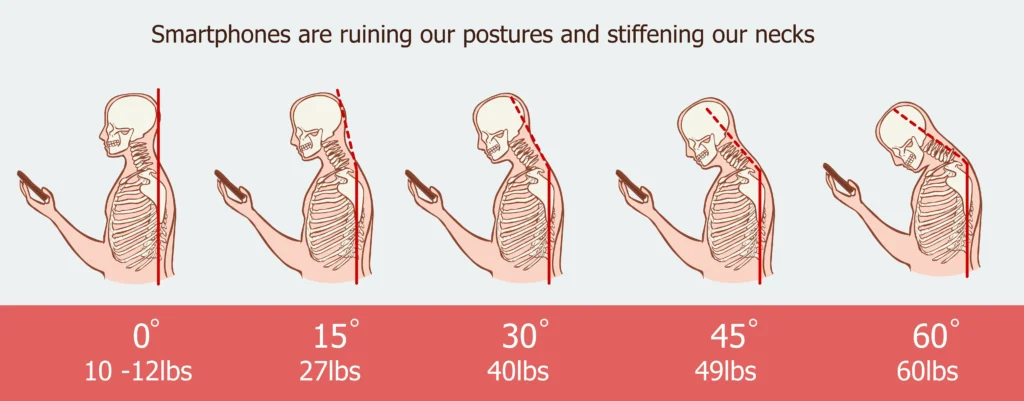
- Improper posture or prolonged positions (i.e., prolonged sitting)
- Lifting strains
- Repetitive movements like bending and twisting
- Trauma from accidents or falls
Our McKenzie-trained therapists will assess your particular condition to identify the contributing factors and address all of them. Rather than focusing on one cause of your pain, your therapist will address all of the causes.
Why Choose the McKenzie Method?
The McKenzie Method is a standardized approach that assesses, treats and uses prevention strategies to resolve your back pain. By emphasizing the cause-and-effect relationship between movements and positions, your therapist provides you with a program for lasting relief.
One of the main differences with the McKenzie Method is the use of exercises and postures as the foundation for a home exercise program. The McKenzie method is one of the few methods used in physical therapy that advocates for your independence. This emphasis provides you with tools to alleviate your pain and promote your independence so that you can reduce the likelihood of any future episodes.
One of the main characteristics of patients using the McKenzie Method is lasting improvements in pain and function and also a reduction in fear and disability beliefs.
What to Expect from Our McKenzie-Trained Physiotherapists
If you’re experiencing back pain, contact our McKenzie therapists immediately. Our therapists will perform a thorough physical examination and provide you with solutions that work based on the findings.
The McKenzie assessment enables your therapist to identify what postures and movements are causing pain and what ones alleviate your pain. These particular postures and specific movements become the starting point for treatment.
The main emphasis of the McKenzie method is education and instruction on effective exercises and proper posture. Our goals include:
- Reduce pain quickly through postural education and repeated movements
- Return to normal functioning in daily activities
- Minimize the risk of recurring pain (avoid painful postures and movements)
Your physical therapist will interpret your condition and clarify what postures and movements will resolve your back pain. McKenzie therapists are guides to point you in the right direction for lasting pain relief.

Say Hello to Jonathan Nederend
Jonathan graduated with an Honors Bachelor of Arts degree in Kinesiology and Biological Anthropology from the University of Western Ontario. He went on to complete an MSc in Strength and Conditioning from the University of Edinburgh, Scotland – graduating in 2014. During this time, he worked as a Strength coach at Heriot Watt University with the rugby and volleyball teams. In addition, he was Lead Sport Scientist to Livingston Football Club in the Scottish Championship Football League.
Follow Us On Instagram
Whether you’re recovering, training, or just striving to move better, Peak to Shore Physiotherapy brings expert tips, rehab exercises, and wellness inspiration straight to your feed. Stay connected for behind-the-scenes clinic moments, client success stories, and practical advice to keep you feeling strong.
Our Patients Are Seeing Results
Contact Us For an Appointment
Our therapists trained in the McKenzie Method can provide you with the tools to promote your independence in managing the current pain and even future recurrences. The McKenzie Method is based on results. Call Peak To Shore Physiotherapy & Sports Medicine today for a comprehensive assessment and learn what steps you can take to alleviate your pain for the long term!

Healthy Recipe: Yogurt Covered Strawberries

Ingredients:
- 12 strawberries
- 10 oz vanilla Greek yogurt
- pink food coloring
Instructions:
- Wash and thoroughly dry the strawberries. Line a plate or board with parchment paper. Dip each strawberry in yogurt, holding the leaves and leaving a little red at the top.
- Place on parchment and freeze 15–20 minutes. Dip again, adding pink food coloring to the yogurt a drop at a time to create a gradient if desired. Freeze for 40–60 minutes.
- Remove from the freezer only when ready to serve, as the yogurt melts quickly.
We’re All Ears!
Got ideas or topics you’d love to see in our newsletters? We’re all ears! 📬
Send your suggestions to manager@peaktoshorephysiotherapy.com and help us make our content even better for you!
Sources
- https://pubmed.ncbi.nlm.nih.gov/28789465/,
- https://pubmed.ncbi.nlm.nih.gov/32669487/,
- https://pubmed.ncbi.nlm.nih.gov/29602304/,
- https://www.cochranelibrary.com/cdsr/doi/10.1002/14651858.CD004057.pub3/full?highlightAbstract=back%7Cpain,
- https://www.jospt.org/doi/full/10.2519/jospt.2018.7562,
- https://academic.oup.com/ptj/article/95/2/267/2684157