


From Crash to Comeback:
What Every Mountain Biker Should Know About Concussions
Mountain biking is part of life here. Downhill runs, gravel grinds, and long road rides are weekend staples, but sometimes, you still take a tumble. Fortunately, most crashes end with a few scrapes and a story to tell. But some end with something more serious: a concussion.
Concussions may be classified as “mild” brain injuries, but that just means they aren’t life-threatening. A concussion can still cause a wide range of physical, cognitive, and emotional symptoms that require specialized care.
Fortunately, if you do suffer a concussion while on the biking trails, the team at Peak To Shore Physiotherapy & Sports Medicine is here to help you get back to feeling like yourself.
Why Mountain Biking Carries Concussion Risk
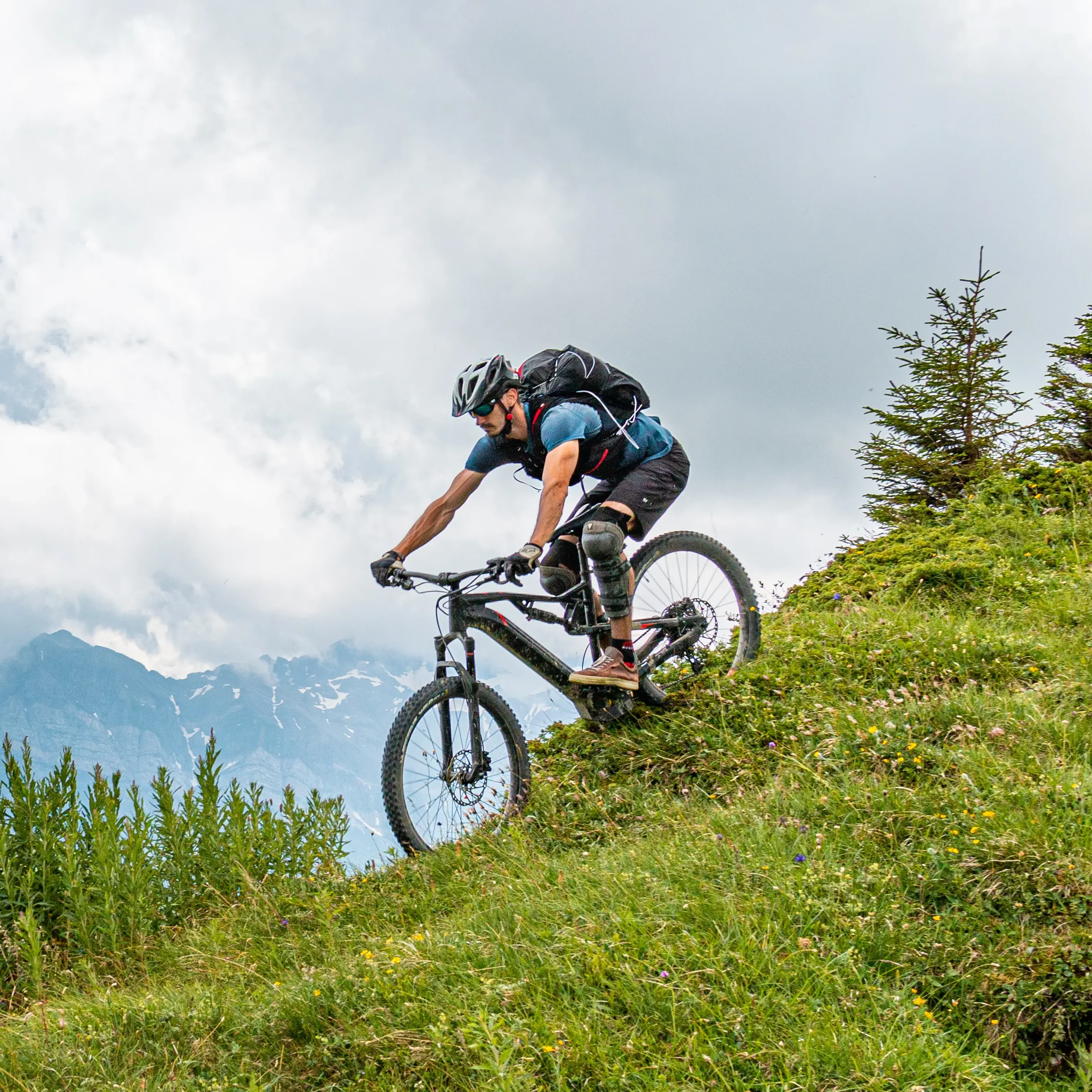
Many people associate concussions with contact sports like hockey or lacrosse. However, a concussion can occur anytime the brain jostles around in the skull, including if you take a hard fall off your bike.
Because mountain biking blends speed, terrain, and obstacles, it’s not uncommon for even experienced riders to fall. And while helmets do reduce the risk of severe brain injury and skull fracture, they don’t fully prevent concussions, as the force of impact can still cause the brain to shift inside the skull.
Staying Vigilant for the Signs of a Concussion
Concussions can be tricky to identify, as symptoms don’t always appear right away. Furthermore, remaining conscious after a fall doesn’t necessarily mean you don’t have a concussion.
If your riding partner crashes while you’re out on the trail, start by asking a few simple questions:
- What trail are we on?
- What happened?
- What day is it?
If there’s any sign of confusion, slowed response, or slurred speech, it’s important to seek immediate care. Look out for balance difficulties, too.
However, even if things seem okay in the moment, that doesn’t necessarily mean you’re in the clear. Over the next 24–48 hours, monitor symptoms closely, and don’t return to riding if you suspect a concussion.
Long-Term Symptoms To Watch Out For
Physical Symptoms
- Headache or pressure in the head
- Dizziness or balance problems
- Nausea
- Sensitivity to light or noise
- Blurred vision
- Sleep changes, like sleeping more than usual
Cognitive Symptoms
- Feeling “foggy”
- Slowed reaction time
- Trouble concentrating
- Memory gaps around the crash
Emotional Symptoms
- Irritability
- Anxiety
- Mood swings
When to Seek Care For Symptoms
- If symptoms last more than a day
- If headaches, dizziness, or brain fog interfere with work or school
- If exercise brings symptoms back
- If you feel “off” and are unsure why
If any of those apply, reach out to Peak To Shore Physiotherapy & Sports Medicine. We’ll conduct a thorough one-on-one assessment and let you know your next steps.
How Our Team Helps Treat Concussions
The idea that rest is the best way to manage a concussion is outdated. Instead, targeted rehab and early activity guided by our clinicians will help you get safely back on your feet (and your bike). Here’s what we may recommend:
- Graded Aerobic Exercise: Light, controlled cardio helps improve blood flow to the brain, supporting recovery. Carefully monitored exercise has been shown to reduce persistent symptoms and speed return to activity.
- Vestibular Rehabilitation: If you’re experiencing dizziness or balance problems, retraining the inner ear and eye-head coordination can reduce motion sensitivity and improve stability.
- Vision Therapy: Concussions can disrupt how the eyes track and focus, leading to headaches and difficulty concentrating. Targeted visual exercises improve eye coordination.
- Cervical Spine Treatment: Neck injuries often occur alongside concussions, potentially leading to headaches and dizziness. Hands-on therapy and strengthening exercises reduce pain and restore normal movement patterns.
- Return-to-Ride Planning: A progression back to biking allows the brain and body to adapt safely to increasing demands. Each stage builds tolerance before advancing to higher-risk trail riding.

Say Hello to Pamela Chadbourn
Pamela graduated with a Master’s degree in Physical Therapy from the University of Toronto in 2010, after completing a Bachelor’s of Science from the University of Western Ontario. She has been practicing physiotherapy in the orthopaedic setting since then and has gained experience treating a wide variety of injuries with clients of all ages.
Since graduating, Pamela has furthered her education by obtaining training in acupuncture through Acupuncture Canada, as well as pursuing advanced manual therapy skills through the Orthopaedic Division of the Canadian Physiotherapy Association. She is also pursuing training in assessing and treating runners and becoming a Nordic ski coach.
Ride Strong with Peak To Shore Physiotherapy & Sports Medicine
Dedicated mountain bikers know that risk is part of the sport. However, long-term problems don’t have to be. If you ever take a fall on the trails and something doesn’t feel right, trust your instincts and schedule an appointment with the team at Peak To Shore Physiotherapy & Sports Medicine. We provide individualized concussion care focused on restoring movement, confidence, and performance so you can get back on the trails as safely as possible.
Our Patients Are Seeing Results
Follow Us On Instagram
Whether you’re recovering, training, or just striving to move better, Peak to Shore Physiotherapy brings expert tips, rehab exercises, and wellness inspiration straight to your feed. Stay connected for behind-the-scenes clinic moments, client success stories, and practical advice to keep you feeling strong.
Bringing Advanced Performance Testing to Peak to Shore: Introducing VALD Force Decks
At Peak to Shore Physiotherapy and Sports Medicine, we are always looking for ways to bring the most accurate, evidence-based assessment tools to our patients and athletes. That’s why we’re excited to introduce VALD ForceDecks, a cutting-edge technology that helps us measure strength, balance, and movement with exceptional precision. This advanced testing system allows our team to make better-informed decisions when planning rehabilitation programs and guiding safe return-to-sport progressions.
What Are VALD ForceDecks?
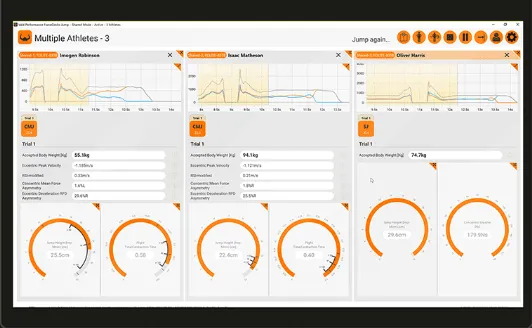
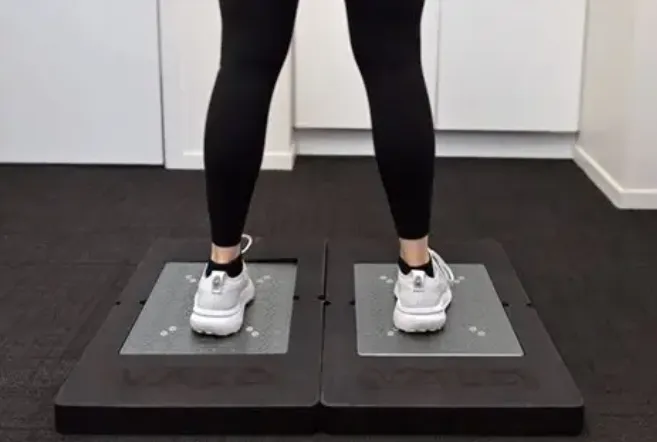
VALD ForceDecks are highly sensitive force plates that measure how the body produces and absorbs force during movements such as jumps, squats, balance tasks, and strength assessments. When you perform a movement on the plates, they capture detailed data about how your body is functioning—far beyond what can be seen with the eye alone.
The system measures factors such as:
- Force production and power
- Limb symmetry between left and right sides
- Balance and stability
- Rate of force development
- Movement strategies during functional tasks
These metrics give our clinicians objective insight into how your body is performing and where deficits may exist.
Why Objective Testing Matters in Rehabilitation
Traditionally, rehabilitation progress has often relied on clinical observation and subjective feedback. While these remain important, tools like ForceDecks add another layer of objective, data-driven measurement.
With this technology we can:
- Identify subtle strength or power asymmetries after injury or surgery
- Track progress throughout rehabilitation with measurable data
- Compare results to normative athlete databases
- Ensure deficits are addressed before returning to high-demand activities
This means rehabilitation programs can be more individualized, more precise, and more responsive to your progress.
Improving Return-to-Sport Decisions
One of the most critical stages of rehabilitation is determining when an athlete is truly ready to return to sport. Returning too soon can increase the risk of reinjury.
ForceDeck testing helps us evaluate readiness through:
- Jump and landing mechanics
- Power generation and absorption
- Limb symmetry during explosive movements
- Fatigue responses during repeated tasks
By combining these objective results with clinical assessment, we can make more confident, evidence-based return-to-sport decisions that prioritize both performance and long-term health.
Investing in Education for the Best Care
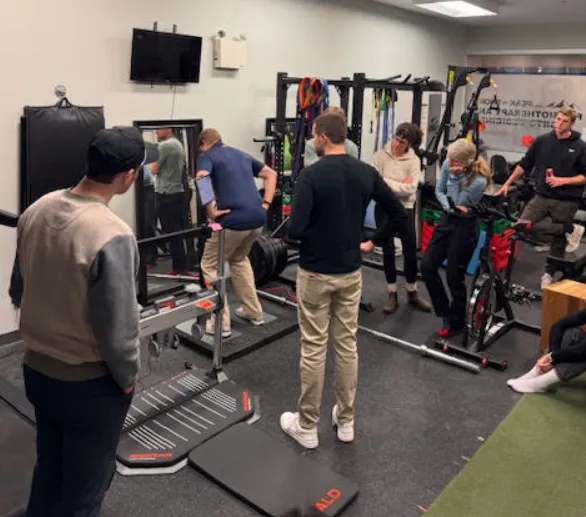
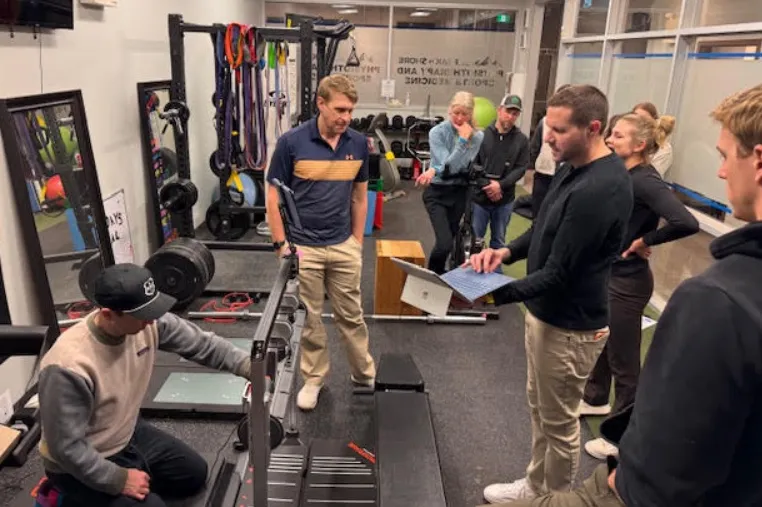
Introducing new technology is only valuable when clinicians know how to apply it effectively. Our team recently participated in an in-service training session to deepen our understanding of ForceDeck testing protocols and interpretation of the data.
You’ll see photos in this newsletter of our clinicians working together, practicing assessments, and discussing how to integrate the technology into patient care. Continuous learning ensures we are always delivering the most up-to-date and effective assessment methods.
What This Means for Our Patients
Whether you’re recovering from an injury, managing a persistent issue, or aiming to optimize athletic performance, ForceDeck testing allows us to provide:
- More accurate assessments
- Clear benchmarks for progress
- Data-driven rehabilitation planning
- Safer, more confident return-to-sport decisions
Our goal is simple: to help you move better, recover smarter, and return to the activities you love with confidence.
We’re excited to bring this advanced technology to our community and continue raising the standard of care in physiotherapy, rehabilitation, and sports medicine.
Call to book your VALD Forcedeck Assessment today!
Recipe of the Month: Strawberry Lemon Protein Smoothie

Ingredients:
- 1 cup fresh or frozen strawberries
- ½ frozen banana (for creaminess)
- 1 scoop vanilla protein powder
- ¾ cup unsweetened almond milk (or milk of choice)
- ½ cup plain Greek yogurt (adds extra protein + thickness)
- Juice of ½ a lemon
- 1–2 teaspoons honey or maple syrup (optional)
- Handful of ice (if using fresh berries)
- 1 tablespoon chia seeds (fiber + omega-3s)
- A few fresh mint leaves (super refreshing!)
- 1 tablespoon collagen peptides
- ¼ teaspoon vanilla extract
Instructions:
- Add everything to a blender.
- Blend until smooth and creamy.
- Taste and adjust sweetness or lemon.
- Pour into a glass and enjoy outside if the sun’s out.
We’re All Ears!
Got ideas or topics you’d love to see in our newsletters? We’re all ears! 📬
Send your suggestions to manager@peaktoshorephysiotherapy.com and help us make our content even better for you!