



Why A Postural Assessment at Peak To Shore Should Be Part of Your Back-to-School Checklist
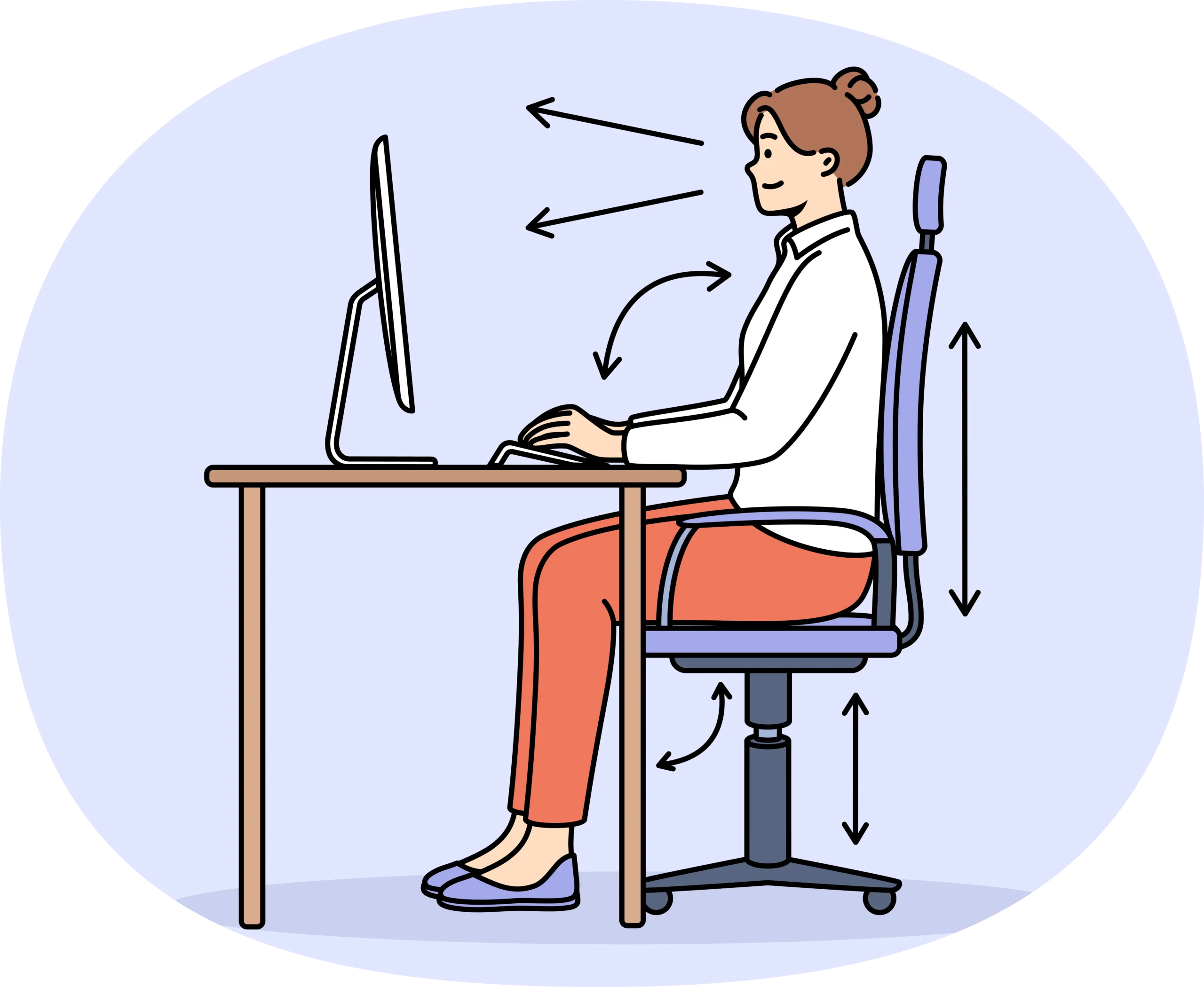
Posture isn’t just about looking your best. How you hold your body when you stand, sit, and move throughout the day can play a major role in developing–or preventing–headaches, neck pain, and back pain.
This is particularly important to remember as we head back to school. Younger students might struggle to sit properly at a desk all day, while college students might find themselves hunched over a laptop or textbook.
The key to avoiding posture-related pain? Postural awareness. This concept involves recognizing and maintaining proper body alignment no matter what you’re doing throughout the day. By paying attention to your posture as you sit, stand, and move through a busy school day, you can identify and address potential posture-related problems before they escalate.
Take a moment to notice your posture, then keep reading to see how it could be affecting your body.
Four Ways Poor Posture Can Cause Pain
- Migraines and Headaches: The way you hold your neck and shoulders can contribute to tension headaches and migraines. Slouching at your desk or craning your neck forward to look at a whiteboard puts excessive strain on the muscles and joints in the upper back and neck region, leading to headaches. Improving posture through postural awareness, proper ergonomics, and targeted exercises can relieve this strain and reduce the frequency and intensity of headaches.
- Neck Pain: Prolonged forward head posture or hunching over computers, tablets, or phones can cause neck pain and stiffness. Identifying and maintaining your ideal posture while sitting can help alleviate neck pain by reducing muscle tension and promoting proper joint position.
- Upper Back Pain: Slouching or rounded shoulders can result in upper back pain. Strengthening the upper back muscles, correcting rounded shoulder posture, and incorporating regular movement breaks can significantly reduce upper back discomfort and improve overall posture.
- Lower Back Pain: Sitting with poor posture, such as slumping or excessively arching the lower back, can lead to lower back pain. Working to restore or improve mobility, strengthening the core muscles, practicing proper sitting and standing posture, and using ergonomic supports like lumbar pillows or chairs can help alleviate lower back pain by providing support and reducing strain on the spine.
Improving Your Posture with Physiotherapy or Chiropractic Care
Before heading back to school this fall, schedule an appointment with the team at Peak To Shore to work on improving your posture. Here’s what you can expect:
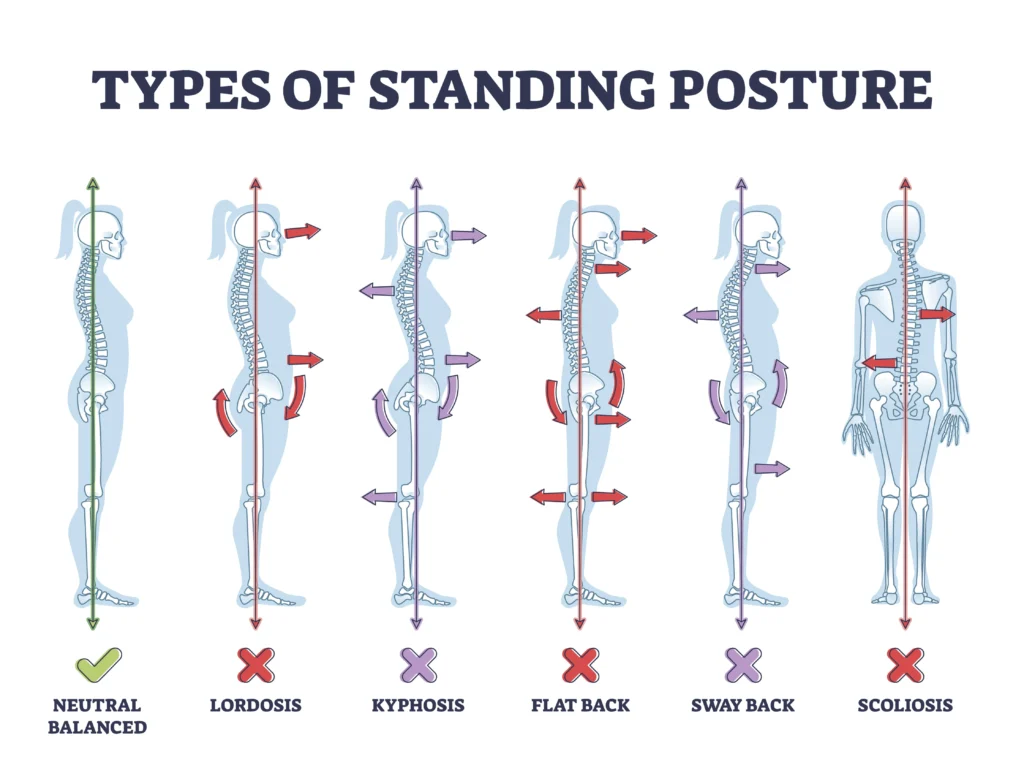
- Postural Assessment: We’ll conduct a comprehensive postural assessment by evaluating your standing, sitting, and walking posture to identify any misalignments, limitations in motion, or areas of tension. By understanding your unique postural patterns, we can tailor a treatment plan to address specific areas of concern.
- Manual Therapy: Our physiotherapists may use hands-on techniques such as soft tissue manipulation, joint mobilization, or myofascial release to address areas of muscle tightness or joint stiffness. These techniques can help improve range of motion, reduce pain, and enhance overall postural alignment.
- Muscle Strengthening: This involves targeted exercises to strengthen muscles that support good posture, such as the neck, upper back, and core muscles. Building these muscle groups helps stabilize the spine and shoulders, reducing neck strain and alleviating pain.
- Education and Awareness: Perhaps most importantly, our physiotherapists will help you understand the connection between your posture and your pain. You’ll learn ergonomic principles for sitting and standing, techniques to maintain a neutral spine, and strategies to avoid common postural pitfalls.
Our Patients Are Seeing Results
Book Your Back-to-School Appointment Today!
Unfortunately, the demands of academic life can significantly impact our postural health. But you can work to avoid many of these concerns by cultivating postural awareness, correcting posture problems with our physiotherapists, and adopting healthy habits. Our team will work to equip you with the knowledge and skills you need to maintain proper posture long-term, alleviate and prevent pain, and promote overall spinal health. Don’t let pain affect your school performance this year. Come visit us today!
Recipe of the Month: Egg Roll in a Bowl

Ingredients:
- 1 lb ground turkey or chicken
- ¼ cup yellow onion, chopped
- 3 cloves garlic, minced
- 2 teaspoons fresh ginger, grated or minced
- 1 12-14 oz package coleslaw mix
- ¼ cup low-sodium soy sauce, tamari or coconut aminos
- 2 teaspoons toasted sesame oil
- 1-2 teaspoons sriracha or sambal oelek
- 2 green onions, sliced
- sriracha, for serving (optional)
- sesame seeds and chopped cilantro, for garnish
- cooked cauliflower rice, for serving (optional)
Instructions:
- Heat a large skillet over medium-high heat. Add ground meat and cook until no longer pink, about 5-6 minutes. While cooking, break meat into smaller pieces using a wooden spoon or spatula and season liberally with salt and pepper.
- Add onion, garlic, ginger, coleslaw mix, soy sauce, sesame oil and sriracha to the skillet. Cook for another 5 minutes or so, until cabbage is tender. Taste and add more soy sauce or sriracha, if needed.
- Portion mixture into bowls and top with green onions, sesame seeds and cilantro. Serve with additional soy sauce, sriracha or chili crisp, if desired.