



Spring Has Sprung!
Understanding Your Swing & How Manual Therapy Can Help- Dr. Brad Baldwin, Chiropractor
As the snow melts and the greens beckon, we know you’re itching to dust off your clubs and hit the links. Here at Peak to Shore Physiotherapy we’re just as excited for the return of golf season! This spring, we want to help you not only improve your game but also stay pain-free and enjoy every swing.
Did you know that the golf swing, seemingly a fluid motion, is actually a complex sequence of movements involving your entire body? Understanding the biomechanics of your golf swing is key to both performance and injury prevention. Let’s break down some crucial elements:
The Powerhouse: Your Core and Lower Body
The foundation of a powerful and stable swing lies in your core and lower body. During the backswing, your glutes and core muscles work to generate torque as you rotate. As you transition into the downswing, these same muscles unleash that stored energy, driving your body forward and initiating the swing. Weak core muscles or limited hip mobility can lead to compensations elsewhere in your body, which may lead to issues such as low back pain, or compromised performance.
The Chain Reaction: Thoracic Spine and Shoulders
The rotation in your thoracic spine (mid-back) is vital for a full shoulder turn without putting excessive strain on your lower back. Restricted movement here can limit your swing’s range and power. Your shoulders then play a crucial role in controlling the club throughout the swing arc. Imbalances or stiffness in the shoulder girdle can affect your swing plane and lead to injuries like rotator cuff tendinitis.
The Precision Point: Elbows, Wrists, and Hands
Finally, the smaller joints of your elbows, wrists, and hands are responsible for fine-tuning your grip, controlling the clubface angle, and delivering a clean strike. Repetitive stress and improper mechanics can lead to conditions like golfer’s elbow (medial epicondylitis) or wrist pain.
How Manual Therapy Can Elevate Your Game (and Keep You Off the Sidelines!)
This is where manual therapy comes in! At Peak to Shore, we can assess your individual biomechanics and identify any restrictions or imbalances that might be hindering your swing or increasing your risk of injury. Through hands-on techniques such as:
- Joint Mobilization and Manipulation: Addressing stiffness in your spine, hips, and shoulders to improve range of motion and allow for a more efficient swing.
- Soft Tissue Release: Releasing tension and knots in muscles that may be restricting movement or causing pain, such as tight hip flexors, back muscles, or forearm muscles.
- Exercise and Rehab: to target imbalances or weaknesses that will prevent injury and improve your game.
By addressing these issues, manual therapy can help you:
- Increase your swing power and efficiency: When your body moves more freely and efficiently, you can generate more torque and transfer energy more effectively to the club.
- Improve your swing mechanics: Addressing restrictions can help you achieve a more consistent and repeatable swing.
- Reduce your risk of golf-related injuries: By correcting imbalances and improving movement patterns, you can minimize stress on vulnerable joints and tissues.
- Recover faster from those early season aches and pains: Manual therapy can help alleviate muscle soreness and joint stiffness after those initial rounds.


Ready to Tee Off Feeling Your Best?
Don’t let pain or stiffness hold you back from enjoying your golf season to the fullest. Contact us today or visit our website to schedule a golf-specific assessment. Our experienced therapists will work with you to develop a personalized plan to optimize your biomechanics, improve your game, and keep you swinging pain-free all season long. We look forward to helping you achieve your best golf season yet!
Why Pre and Post Op Physiotherapy?
Set yourself up for success with both pre and post-operative physiotherapy.
If you’re facing surgery, you might have a mix of emotions – anticipation, a bit of worry, and a strong desire to get back to your normal life as quickly as possible. Physiotherapy can make a big difference in that journey, both before and after your surgery. Studies show that pre-operative exercises and strengthening programs can be effective in reducing complications and length of hospital stay in post-operative situations.
At Peak To Shore, we can help you prepare your body for the challenges of surgery and guide you through the best possible recovery. Our experienced PTs will arm you with strength, knowledge, and preparation to help you before and after your procedure.
Help prepare yourself for a successful surgical outcome with pre and post-operative physiotherapy.

Why Both Pre and Post-surgery Physiotherapy?
Physiotherapy plays a crucial role in achieving your surgical and recovery goals, both before and after your procedure. Pre-surgery PT focuses on improving your strength, range of motion, and overall fitness to prepare your body for the surgical process. Afterward, physiotherapy guides your rehabilitation process by:
- Reducing pain
- Restoring motion
- Eliminating swelling
- Rebuilding strength
- Helping you regain functional independence
Pre-Surgical Physiotherapy
Pre-surgical physiotherapy, sometimes referred to as “Prehab,” aims to optimize your physical condition before surgery for a smooth recovery and successful outcome.
- Improved Strength and Range of Motion: Strengthen the muscles and maximize your range of motion in and around the surgical area.
- Reduced Pain and Inflammation: Manage existing discomfort and reduce or eliminate inflammation to support successful post-operative healing.
- Education and Preparation: Learn what to expect from the post-operative experience, like physiotherapy exercises, how to use assistive devices, and adjustments you can make beforehand to safely navigate your home environment.
Patients who undergo pre-surgical education and physiotherapy programs often experience lower levels of anxiety compared to those who don’t prepare in this way. By understanding what lies ahead and feeling equipped with knowledge and strength, patients often feel more empowered and can improve emotional well-being throughout the process.
Post-Operative Physiotherapy
Post-surgery physiotherapy is an important part of the recovery process. Our PTs will help you regain your normal movement patterns, rebuild strength, and restore overall function. Our goal is to support your body’s natural healing process by using the following:
- Pain Management: Our PTs use techniques like manual therapy and modalities to reduce post-operative pain, swelling, and stiffness.
- Reduce Swelling and Scar Tissue Management: We will use targeted hands-on treatments, including joint mobilizations with targeted exercises to help reduce swelling, minimize scar tissue formation, and restore range of motion to avoid limitations in overall movement.
- Improved Strength: Progressive strengthening exercise programs restore stability and normal function and prevent complications.
- Functional Training: Retrain your normal movement patterns and improve your coordination and body awareness to facilitate a successful return to independence.
Our Patients Are Seeing Results
Pre and Post-op Physiotherapy with Physiotherapy
Our physiotherapists design every pre and post-op program based on individual needs and goals. At your first appointment, we’ll conduct a thorough assessment of your medical history and existing condition to understand the details of your upcoming surgery. Then, we’ll discuss your questions and concerns and set achievable goals for success. If you or a loved one is considering surgery or have scheduled an upcoming procedure, give us a call today. We’ll schedule your first appointment and discuss how our pre and post-op physiotherapy program can help you.

Five Tips to Stay Safe on the Pickleball Court
As the weather warms up, it’s time for one of our favorite social sports: pickleball!
This outdoor racquet sport is fun, fast, and easy to learn, but its quick movements and repetitive swinging motions can increase your risk of overuse injuries. Here are five tips to keep yourself safe all season long.
1. Strengthen Key Muscles
A strong body ensures you can handle the demands of the game. Focus on:
- Core exercises to improve balance and stability
- Lower body strengthening to help you move across the court without falling
- Shoulder and wrist exercises to support repeated swings
2. Improve Mobility
A restricted range of motion can limit your movements and set you up for injuries. Try:
- Shoulder stretches to accommodate repetitive overhead motions
- Wrist stretches to reduce strain from gripping the paddle
3. Use Proper Technique
Pickleball is a beginner-friendly sport, but improper form can still cause overuse injuries. Spend some time perfecting:
- A stable stance to avoid sudden, awkward movements
- Controlled swings to reduce stress on your joints
4. Warm Up Before You Play
Jumping into a game with cold muscles makes you more prone to strain. Take 10 minutes to warm up beforehand with:
- A brisk walk around the courts
- Dynamic stretches like arm circles, leg swings, or lunges
5. Don’t Ignore Your Equipment
Pickleball is designed to be easy to pick up and play, but you still want to use the right equipment. Make sure to find:
- Well-fitting shoes that support your ankles and prevent slipping
- A paddle that matches your grip strength and playing style to reduce wrist strain
Remember, playing pickleball should be fun, not painful. If you notice any persistent pain during or after your matches, schedule an appointment at Peak To Shore. We’ll help you figure out what’s going on–and what you can do about it!
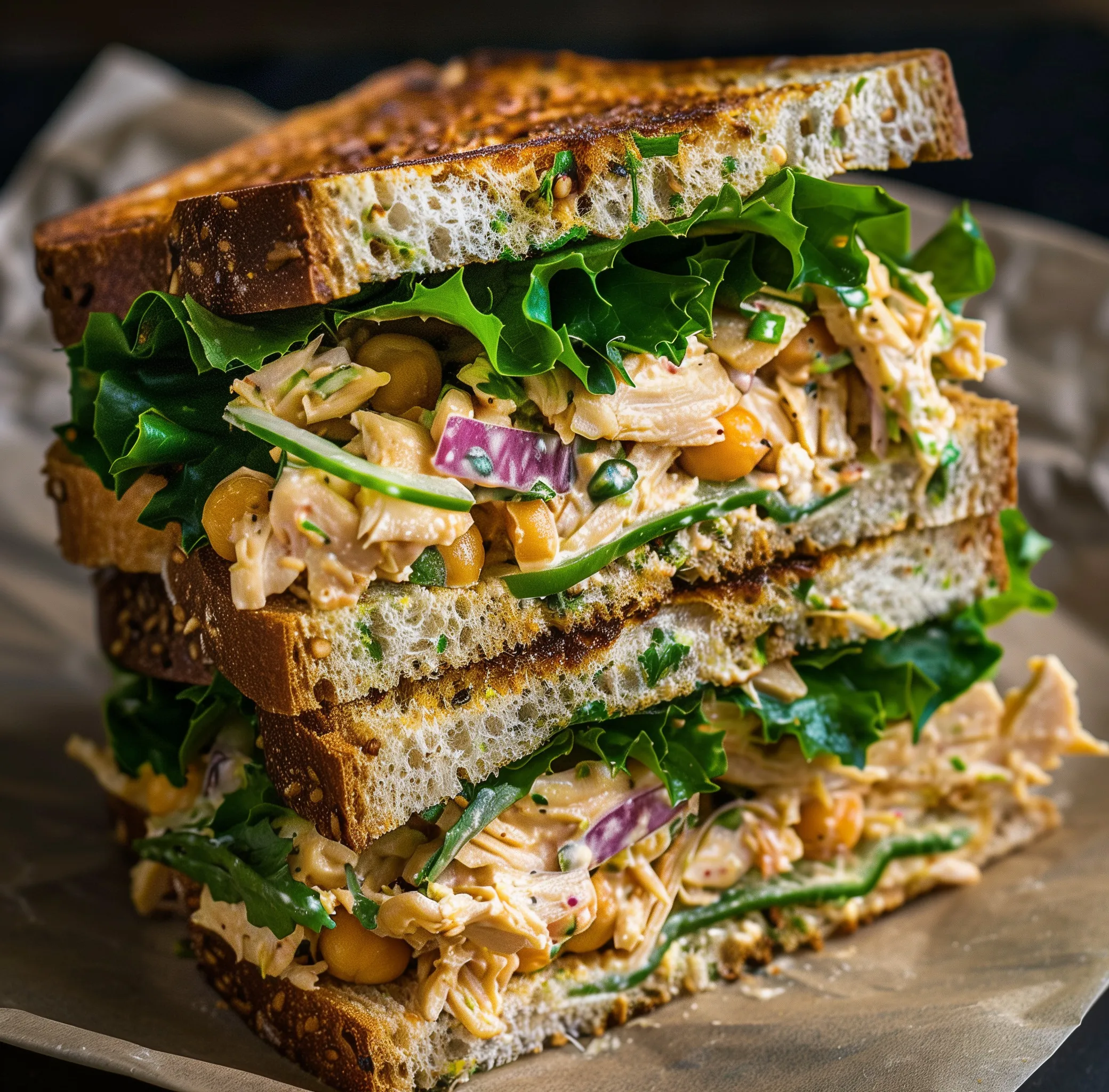
Recipe of the Month: Smashed Chickpea Salad Sandwich
Ingredients:
- 1 can chickpeas, rinsed and drained
- 1/4 c chopped Italian parsley
- 1/4 c chopped dill
- 1/2 c chopped scallions
- 2 tbsp mustard
- 2–3 tbsp mayonnaise
- Salt and pepper to taste
- Optional: 1 tbsp capers
- 4 slices whole-grain bread or everything bagels, toasted
- 1 tbsp mustard
- 2 large lettuce leaves
- 1 Turkish cucumber, sliced
- 1 carrot, thinly sliced
- 4 radishes, thinly sliced
- 1 large avocado sliced
- big handful of microgreens or sprouts
Directions:
-
Make the chickpea salad, placing all ingredients in a medium bowl, mix and smash with a fork until well combined. Taste and adjust salt and pepper to your liking. Assemble the sandwiches.
-
Spread a little whole grain mustard on the bread. Top with lettuce and a generous amount of the chickpea salad. Layer sliced cucumber, carrots, radishes and avocado.
-
Top with a mound of sprouts and bread. Cut in half and enjoy!