



November 2026 · Ski & Snowboard Season
The Mountains Are Calling
Tips for Getting Ready for Ski and Snowboard Season
Once that first snowfall hits, it can be tempting to grab your gear and spend the whole day on the slopes. But while your heart may be ready for hours on the trails, your body probably needs a little more time.
Both skiing and snowboarding place unique demands on your entire body, especially your legs, hips, and core. Even if you stayed active all summer, you haven’t been training in these particular movements, so a slow and steady start to the season is essential.
Here are some practical tips from the Peak To Shore Physiotherapy & Sports Medicine team to help you make the most of the season ahead.
Early-Season Trail Map
Five Strategies for Early Season Success
1. Make Your First Few Days Easier
Your first day back shouldn’t be your biggest day of the season. Start with shorter outings and familiar, easier terrain during your first few runs, and really focus on technique and control before tackling more challenging trails.
This will give you time to see how your body responds to the new demands.
2. Warm Up Before You Clip In
It’s cold on the slopes, and cold muscles are not ideal for demanding activity. Always take a few minutes to get moving before your first run with bodyweight squats, walking lunges, or gentle trunk rotations. Then, once you’re on the snow, treat your first couple of runs as part of your warm-up as well. Start at an easier pace and gradually increase the challenge as you feel ready.
3. Give Your Ski Legs Time to Return
Skiing and snowboarding require strength, muscular endurance, balance, and coordination. Your quadriceps, hamstrings, glutes, calves, and core all help you control your movements and respond to changes in the snow. Early in the season, these muscles may tire sooner than you remember from last year.
For this reason, don’t mistake early-season enthusiasm for endurance! Build your time on the slopes gradually and allow your body to adapt.
4. Choose Terrain for the Skier or Rider You Are Today
You might have finished up last season on advanced terrain, but that doesn’t mean you need to start there.
Give yourself a few outings to regain your timing, balance, and confidence. Early-season conditions can also change quickly. Stay aware of ice, thin coverage, crowds, and changing snow conditions, and choose terrain that matches your current ability. You’ll have plenty of time to progress as the season continues.
5. Pay Attention to Fatigue
One more run can sound like a great idea, especially at the start of the season. But tired legs can affect your control, balance, and ability to respond quickly.
Part of starting slow means taking breaks throughout the day. Eat, hydrate, and notice how your body feels. If your technique starts to become sloppy or your legs feel unusually heavy, it’s probably time to call it a day. That way, you can wake up refreshed tomorrow.
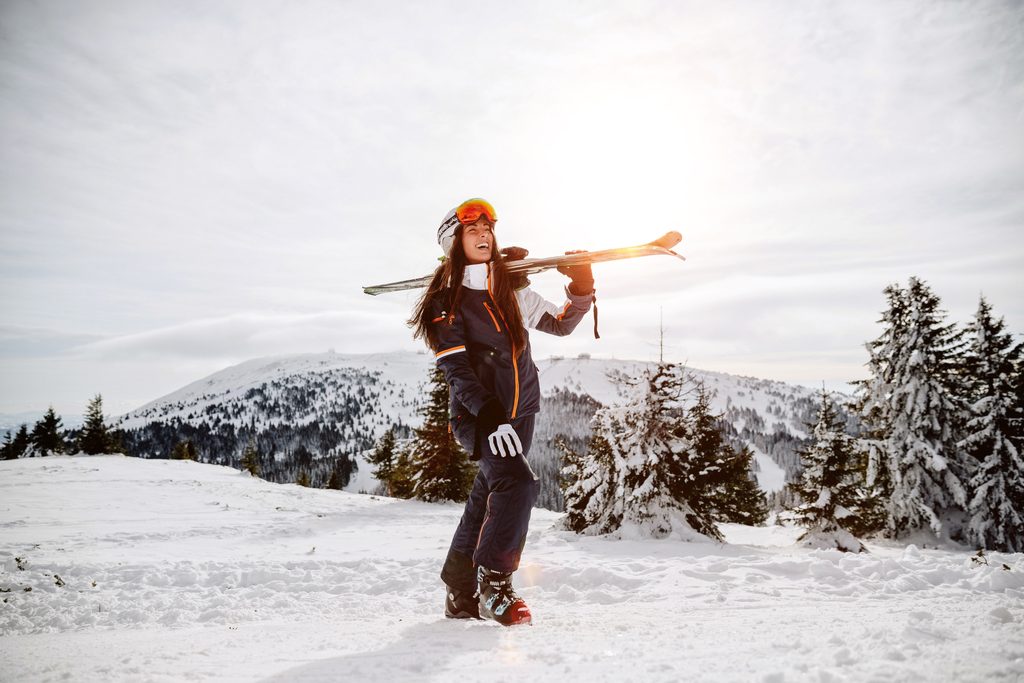
Don’t mistake early-season enthusiasm for endurance!
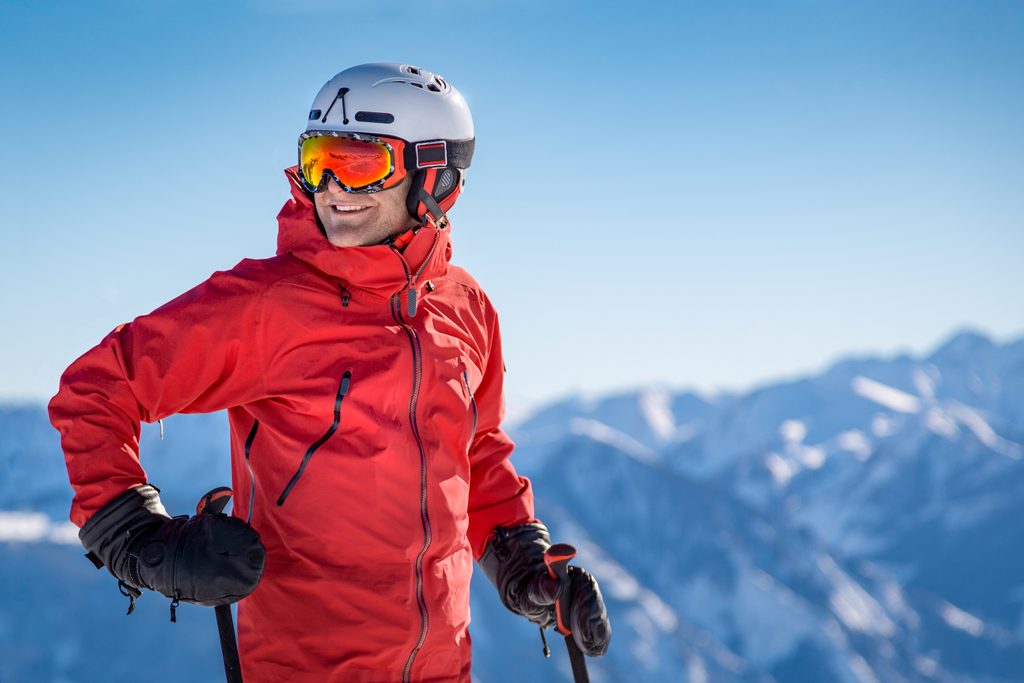
Get Your Body Ready for the Mountain
As excited as you might be to hit the slopes, it’s especially important to address any lingering pain or injury that might affect your ability to control your ski or snowboard. Returning to snow after an injury should be progressive, with strength, movement control, balance, and sport-specific demands considered along the way. And that’s something the Peak To Shore Physiotherapy & Sports Medicine team can help you navigate.
Our team can assess how you move and help identify areas that may need extra attention as you return to winter sports. Depending on your needs, we can help you work on essential skills for the slopes, including strength, mobility, balance, and endurance.
Whether you ski, snowboard, or simply want to stay active this winter, individualized care can help you prepare for the activities you love.
Start Smart and Enjoy the Season Ahead
Ski and snowboard season is meant to be savored. Give your body time to remember the movements, rebuild your endurance, and adjust to being back on the snow.
A little patience at the beginning can help you feel stronger and more confident as the season progresses. Contact Peak To Shore Physiotherapy & Sports Medicine today to schedule an assessment and let our team help you reach your peak potential on the slopes this winter.
Staff Spotlight

- Hon.BSc, MScPT with Extinction
- Certified Integrated Dry Needling (CIDN)
- Certified Level 2 Australian Physiotherapy & Pilates Institute (APPI)
- Certified Sports First Responder 2025
- Orthopaedic Division AIM Level 1
- CSEP-CPT (Certified Personal Trainer) 2014-2020
Julia Roth
Registered Physiotherapist (she/her/hers)
Julia’s passion for physiotherapy stemmed from experiencing various injuries and rehabilitation firsthand as a Canadian National Alpine Ski racer. How fitting for her to be now working within a Ski Club! After two knee surgeries and countless other injuries, Julia decided to hang up her skis and study, completing her Bachelor of Science in Kinesiology from the University of Western Ontario in 2018. She then went on to become a strength and conditioning coach for Canadian National Winter Olympic athletes at the Canadian Sport Institute. This was where her passion for physiotherapy and a focus on injury prevention and return to sport safely and effectively continued to flourish.
She graduated from Robert Gordon University in Scotland in 2020 as the top student in the MSc. in Physiotherapy program. She then went on to work within the National Health Service in the UK. During this time she completed rotations within Orthopaedics, Community, Cardiorespiratory, General surgery, and Musculoskeletal rehabilitation. With a passion for combining her knowledge and skills with her strength and conditioning background, she specialized in musculoskeletal physiotherapy and practiced for two years in private practice in Scotland. These experiences have thus allowed her to take on a wide variety of patients within Peak to Shore – and upon request, she can provide home visits and/or respiratory physiotherapy.
Having played a variety of sports growing up in the local area including alpine and cross-country skiing (as a proud member of Devils Glen), soccer, tennis, and golf, she is passionate about using ‘exercise as medicine’ to help others reach their full potential. She incorporates alternative treatments such as sports massage, mobilizations, and various electro-therapy techniques into her functional approach- always putting her patient’s goals and needs at the forefront of her treatment sessions. She is trained in physio-led Pilates, allowing her to provide individualized and functional therapeutic exercise programs for rehab and long-term prevention of spinal and joint-related pain.
As an ‘adrenaline junky,’ you can find her trying to run her fastest 5-20km on the local trails, wake-surfing, paddleboarding, waterskiing or mountain biking, or pushing herself in the gym during her strength-based workouts.
Chiropractic Recognition Day
Celebrating Our Chiropractors on Chiropractic Recognition Day
November 27 is Chiropractic Recognition Day, and we’re taking the opportunity to celebrate the incredible chiropractors who are part of the Peak to Shore team!
When most people think of chiropractic care, they may immediately think of spinal adjustments or manipulation. While this can be an important tool, chiropractic care is about so much more than manipulation.
Our chiropractors work with patients experiencing a wide range of spine and extremity conditions, helping people manage everything from neck and back pain to shoulder, hip, knee and other musculoskeletal concerns. They also play an important role in post-operative rehabilitation, workplace injuries and WSIB care, working alongside our physiotherapists and other healthcare professionals to help patients return to the activities that matter most to them.
At Peak to Shore, we believe that there is no one-size-fits-all approach to treatment. Not every patient needs a manipulation — and not every treatment plan includes one. Our chiropractors take the time to listen to your concerns, complete a thorough assessment and develop an individualized treatment plan based on your goals and the best available evidence.
Whether you’re dealing with a new injury, persistent pain, recovering from surgery, or simply trying to get back to doing the things you love, our chiropractic team is here to help.
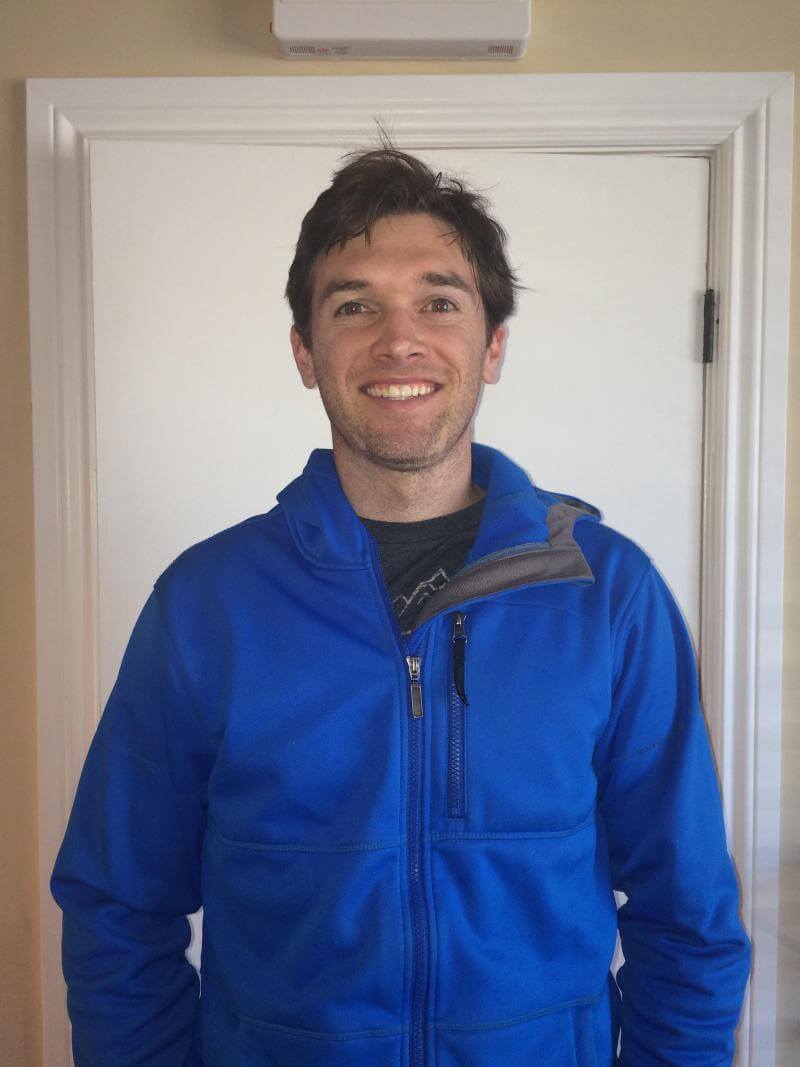
Dr. Brad Baldwin
B.A. (Hons.), DC

Dr. Angelica Dimopoulos
DC, BHSc (Hons)

Dr. Adam Roberts
DC, BAKin
So, on November 27, we want to say thank you to our amazing Peak to Shore chiropractors for the knowledge, compassion and dedication they bring to our patients and our community every day. We’re lucky to have you on our team!
Happy Chiropractic Recognition Day!
Helping our community live their peak life — one patient at a time.
Leave a Review
Had a Great Visit With Our Team?
Your review helps your neighbours in Collingwood, Stayner and Wasaga Beach find the care they need.
Recipe of the Month
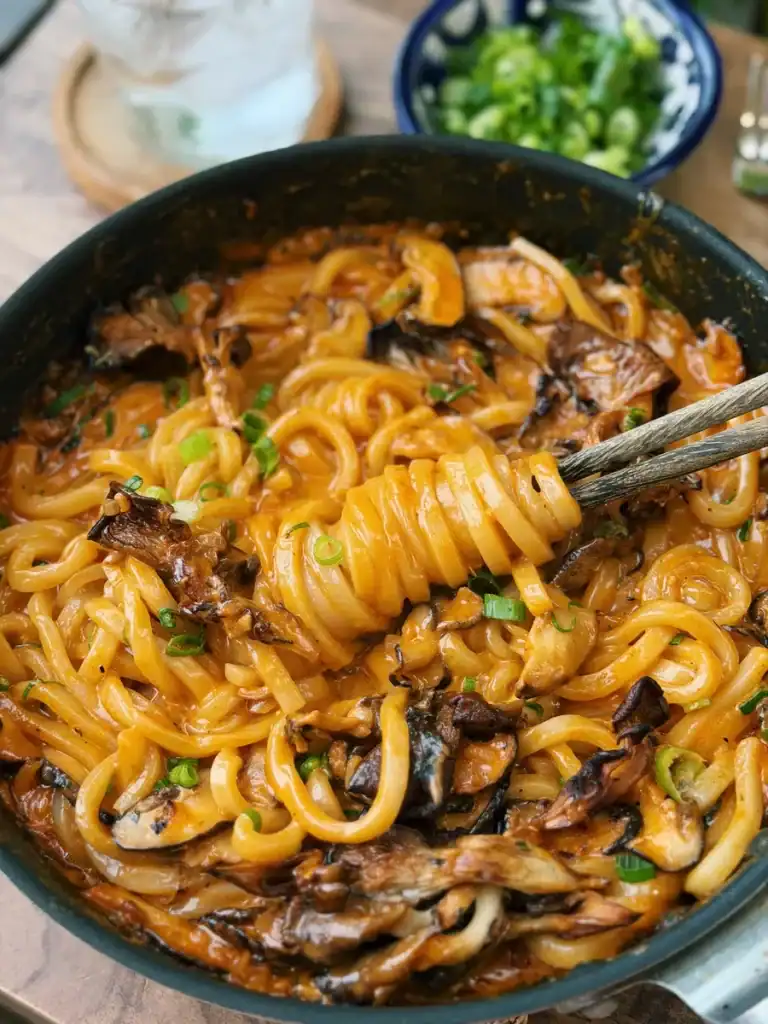
Spicy Creamy Mushroom Udon
For a spicy, satisfying meal, you have to try this Japanese-Korean fusion bowl! It features udon noodles tossed in a rich, creamy Gochujang Mushroom Sauce and is topped with the crispiest herb-butter-fried oyster mushrooms.
Ingredients
For the Crispy Oyster Mushrooms:
- 6 oz (170 g) oyster mushrooms, torn into bite-sized pieces
- 1 tbsp butter
- 1 tbsp oil
- 2-3 sprigs fresh thyme
- Salt and black pepper to taste
For the Creamy Spicy Mushroom Udon:
- 2 packs udon noodles (fresh or frozen, about 14–16 oz / 400–450 g total)
- 5-6 fresh shiitake mushrooms, thinly sliced
- 1 large shallot, finely chopped
- 4 cloves garlic, minced
- 1 ½ – 2 tbsp gochujang (Korean red chili paste), adjusting to your spice preference
- 1 cup heavy cream
- ¼ – ½ cup water or chicken/vegetable broth, as needed
- Salt and black pepper to taste
- Green onions, sliced (optional, for garnish)
Directions
- Make the crispy mushrooms: Heat the butter and oil in a large pan over medium-high heat. Add the oyster mushrooms and thyme, season lightly with salt and black pepper, and pan-fry for 4–5 minutes. Stir occasionally until they are golden brown and crispy around the edges. Remove from the pan and set aside.
- Build the sauce: In the same pan, add the chopped shallot, minced garlic, and sliced shiitake mushrooms. Sauté over medium heat for 3–4 minutes, until the shallots soften and the mushrooms turn lightly golden.
- Make it creamy and spicy: Add the gochujang and stir for about 30 seconds to toast the paste. Pour in the heavy cream and ¼ cup of your water or broth. Mix until the gochujang is fully incorporated and the sauce is smooth.
- Add the udon: Place the udon noodles directly into the sauce. Turn the heat up to high and cook for 2–3 minutes, tossing constantly until the noodles separate and are completely coated in the creamy sauce. (Note: If the sauce becomes too thick, add another splash of water or broth.)
- Garnish and serve: Taste the sauce and adjust the salt and black pepper if needed. Divide the noodles between two bowls and top generously with the crispy oyster mushrooms and sliced green onions.
We’re All Ears!
Got ideas or topics you’d love to see in our newsletters? We’re all ears!
Send your suggestions to help us create content that’s even more valuable, informative, and inspiring for the Peak to Shore community.