




Helping Your Back Keep Up With Your Adventures
This weekend, you might be tackling a technical mountain bike trail. In a few months, you’ll probably be carving turns on the ski slopes. At Peak To Shore Physiotherapy & Sports Medicine, we love how physically active our patients can be, but we also see firsthand how all those adventures can sometimes leave backs feeling stiff or sore.
We do have some good news: back pain does not automatically mean you need to stop all activity. However, if you want to give yourself the best shot at long-term relief and get back to the things you love, a guided rehabilitation program is key.
Why Can an Active Lifestyle Lead to Back Pain?
Everyone knows the importance of being physically active, so it can be frustrating when sports and other recreational activities lead to back pain.
It’s true that your spine is built to move, and it also gets some help from the muscles that surround your trunk, hips, and pelvis, which help control that movement. The problem arises when the demands of an activity exceed what your body is currently prepared to handle. This is particularly common after an increase in training or a return to a sport after some time away, like when you start hitting the ski slopes in January.
Back pain can also stem from several possible sources:
- Irritated muscles or other soft tissues
- Sensitive joints
- An irritated spinal nerve, which may cause pain, tingling, numbness, or weakness in the leg
The Importance of a Detailed Assessment
This is one reason a detailed assessment is so important when managing back pain, particularly for active people. Our team will take the time to review your symptoms, learn more about your performance goals, and conduct a detailed physical evaluation of strength, mobility, movement patterns, and more.

Rest Isn’t Always the Answer
If your back starts hurting, your first instinct might be to rest. However, in most cases, you’re better off gradually returning to normal movement and activity, with some help from the Peak To Shore Physiotherapy & Sports Medicine team, of course.
Getting Back to the Activities That Matter
That is especially important for athletes and active adults, who often have high-level recovery goals beyond just pain relief. Fortunately, our team understands the unique needs of active adults, and we’ll work with you to create a treatment plan that will help prepare your body for the demands that await you on the hiking trail or in the hockey rink.
Treatment Techniques We Might Suggest
Chiropractic Care
We often incorporate chiropractic treatment techniques into a broader rehabilitation plan, particularly spinal adjustments and soft-tissue techniques, to help manage pain and support comfortable movement.
Therapeutic Exercise
We’ll guide you through tailored, progressive exercises designed to improve or restore mobility and strength, particularly in the core and surrounding muscles, which help support stability while building capacity and function in the back.
Functional Pilates
Some patients might benefit from our 1-on-1 physio-led Pilates sessions. Pilates can play an important role in developing strength, movement control, and body awareness needed to support an active lifestyle, with exercises progressing according to each person’s abilities and rehabilitation goals.
Sport-Specific Assessment
The physical demands of hockey are different from those of mountain biking or skiing. Looking at how you move during relevant tasks can help guide treatment and identify areas that may benefit from additional strength, mobility, or control.
Targeted Strength and Conditioning
Building your body’s capacity to handle the demands of your activity can be an important bridge between rehabilitation and full participation in your favourite activities. Progressive loading can prepare you for longer rides, steeper terrain, and other sport-specific challenges.
Advice on Load Management
Sometimes the issue is not the activity itself, but how much or how intensely you are doing at once. We can help you temporarily adjust training volume or intensity while keeping you as active as your condition allows.
Keep Moving Toward Your Next Adventure
Back pain can be frustrating when movement is a major part of your life, but it doesn’t mean giving up the things you enjoy. The team at Peak To Shore Physiotherapy & Sports Medicine understands what active patients ask of their bodies. Whether you want to return to hiking trails or make sure your back is ready for ski season, we can help you understand your symptoms and build a plan around your goals.
Schedule your initial appointment today to get started!
Schedule an Appointment
Get Game-Ready with Baseline Concussion Testing
As another sports season begins, athletes are preparing with new equipment, conditioning, and practice. One important way to prepare — especially for athletes participating in contact or collision sports — is to complete a baseline concussion assessment before the season starts.
At Peak To Shore Physiotherapy & Sports Medicine, we offer comprehensive baseline concussion testing for student athletes ages 8 and older. Our assessments provide individualized information that can be valuable if a concussion occurs during the season.
What Is a Baseline Concussion Assessment?
A baseline assessment measures an athlete’s normal level of function while they are healthy. At our clinic, testing includes evidence-based measures of:
- Cognitive function (memory, attention, processing speed, and reaction time)
- Strength
- Balance and postural control
- Symptom screening and concussion history
Having this information available gives your healthcare team a personalized point of comparison should a concussion occur.
Why Is Baseline Testing Important?
No two athletes recover from a concussion in exactly the same way. A baseline assessment helps establish each athlete’s normal performance before injury. If a concussion occurs, the results can be compared with post-injury assessments as one part of a comprehensive clinical evaluation.
Current concussion guidelines recognize that baseline testing can be a useful component of concussion management when interpreted by qualified healthcare professionals. Combined with a thorough clinical assessment, it can help support decisions regarding:
- Progress through rehabilitation
- Return to school and learning activities
- Return to training
- Return to sport
Baseline testing is not a stand-alone diagnostic tool and does not determine when an athlete is ready to return to play. Instead, it provides objective information that, alongside clinical examination, symptom assessment, and functional testing, helps support safe, evidence-informed return-to-sport decisions.
Who Should Consider Testing?
Baseline concussion testing may be especially beneficial for athletes participating in:
- Hockey
- Football
- Soccer
- Rugby
- Lacrosse
- Basketball
- Volleyball
- Gymnastics
- Cheerleading
- Martial arts
- Other sports with a risk of head injury
It may also be valuable for athletes with a history of concussion or those participating in multiple sports throughout the year.
Be Prepared Before the First Game
The best time for baseline testing is before the season begins, while an athlete is healthy and performing at their normal level.
Baseline Concussion Assessment
- Ages 8 years and older
- Cost: $160
- Provider: Dr. Brad Baldwin, Chiropractor
Book your baseline concussion assessment today and head into the season with confidence, knowing you have an individualized, evidence-based benchmark to support concussion management should an injury occur.
Now Booking Fall Baseline Concussion Assessments
Dr. Brad Baldwin, Chiropractor
Ages 8+ | $160
Evidence-based cognitive, strength, and balance testing to help support concussion management and return-to-sport decision-making.
Book a Baseline Assessment
Dr. Angelica Dimopoulos, DC, BHSc (Hons)
- Hon. BHSc Biology, D.C.
- McMaster Contemporary Medical Acupuncture
- GLA:D™ Certified
- Fascial Manipulation® Certified
- Shift Concussion Management Level 1 Provider
Dr. Angelica holds an Honours Bachelor of Science in Biology from Queen’s University and earned her Doctor of Chiropractic degree from the Canadian Memorial Chiropractic College in Toronto, graduating Magna Cum Laude. She is committed to ongoing learning and holds additional certifications in acupuncture, Fascial Manipulation (Levels 1 & 2), Shift Concussion Management, vertigo and dizziness management, and pre- and post-partum rehabilitation.
Angelica has worked in diverse clinical settings with a wide range of patient populations—from everyday aches and pains to competitive athletes, including all-star cheerleaders. Her treatment approach combines evidence-based care with a personalized touch. She offers chiropractic adjustments, mobilizations, soft tissue techniques, acupuncture, active rehab, and patient education—empowering patients to play an active role in their recovery and long-term wellness.
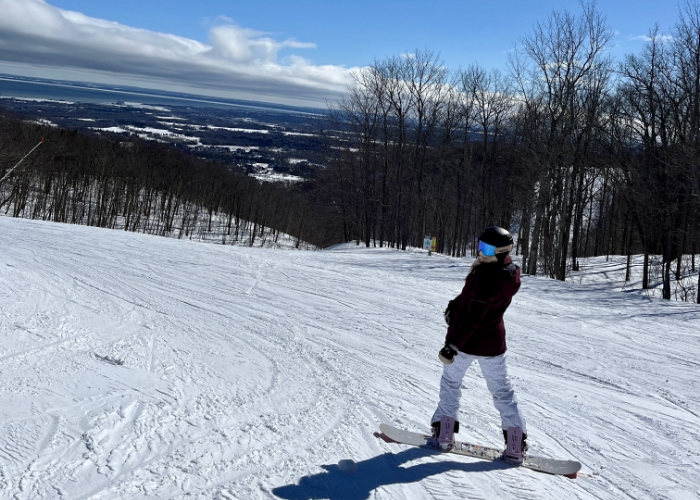
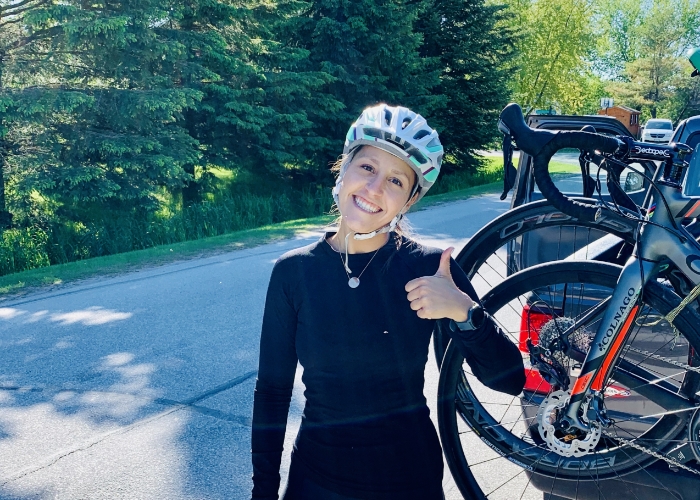
Originally from Toronto, Angelica spent much of her time growing up in the Collingwood area and is proud to now call this community home. Outside the clinic, she’s an outdoor enthusiast who enjoys hiking, cycling, camping, and snowboarding. She’s also trained in multiple dance styles, plays ultimate frisbee, and participates in the Collingwood United soccer club. Her passions include travel, spending time with family and friends, and cheering on her favourite Toronto Maple Leafs.
Angelica is currently accepting patients at our Stayner and Wasaga Beach locations. She looks forward to helping you reach your health and wellness goals with compassionate, patient-centred care.
Book an AppointmentPatient Success Story

Maple-Ginger Salmon & Quinoa Power Bowl
A protein-packed bowl built to support muscle repair after a long day on the trail, the slopes, or the rink—balancing lean protein, complex carbohydrates, and healthy fats in one easy weeknight meal.
Ingredients (Serves 4)
- 4 salmon fillets (about 150 g each)
- 30 ml pure maple syrup
- 15 ml low-sodium soy sauce
- 5 ml grated fresh ginger
- 1 clove garlic, minced
- 200 g quinoa, rinsed
- 500 ml water or low-sodium vegetable broth
- 1 medium cucumber, diced
- 150 g shredded carrots
- 1 avocado, sliced
- 30 ml rice vinegar
- 15 ml sesame oil
- Sesame seeds and chopped green onion, for garnish
Prep
- Preheat oven to 200°C.
- Whisk together maple syrup, soy sauce, ginger, and garlic; pour over salmon and marinate for 15 minutes.
- Rinse the quinoa well under cold water.
- Line a baking sheet with parchment paper.
Directions
- Combine quinoa and water or broth in a saucepan; bring to a boil, then reduce heat, cover, and simmer for 15 minutes until liquid is absorbed. Fluff with a fork.
- Bake the marinated salmon for 12–15 minutes, until it flakes easily with a fork.
- Toss cucumber and carrots with rice vinegar and sesame oil.
- Divide quinoa among bowls; top with salmon, dressed vegetables, and avocado.
- Garnish with sesame seeds and green onion, and serve warm.
A simple, balanced meal that pairs lean protein with complex carbs and healthy fats—great fuel for muscle recovery between adventures.
We’re All Ears!
Got ideas or topics you’d love to see in our newsletters? We’re all ears!
Send your suggestions to help us create content that’s even more valuable, informative, and inspiring for the Peak to Shore community.
manager@peaktoshorephysiotherapy.com